



The Institute for Preventative Health Research
The Institute for Preventative Health Research (IPHR) is a pioneering virtual hub for collaboration, driving prevention-led transformation in healthcare.
Co-ordinated by the Northern Health Science Alliance (NHSA), it brings together our alliance of NHS hospitals and universities in the North of England to accelerate research and innovation in preventative health.
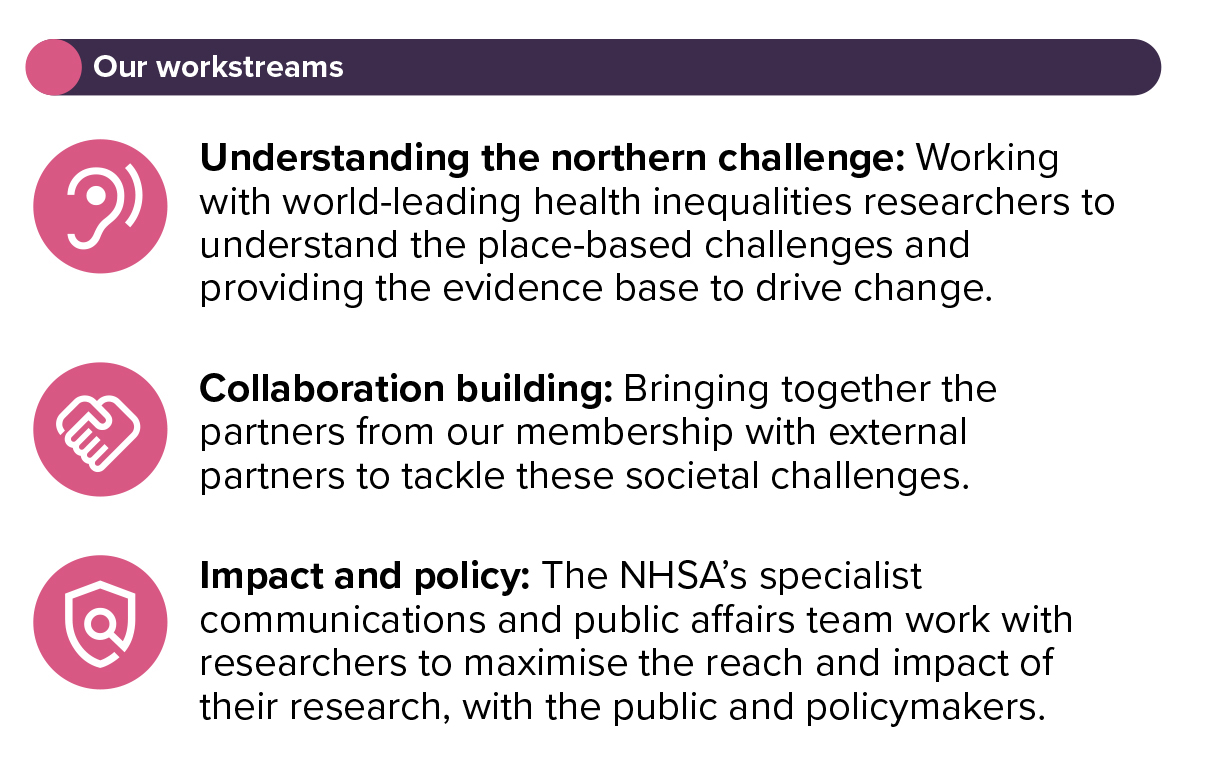
Mission: To mobilise NHSA members to lead the transition to a prevention led health system.
Vision: To add five healthy years to life expectancy in the North and to reduce health inequalities between socioeconomic groups by 30% in the North of England.
By tackling the root causes of ill health and promoting prevention, the IPHR aims to deliver:
- Improved health outcomes for communities.
- Economic benefits through increased productivity and reduced healthcare costs.
- A stronger, more resilient health and life sciences sector in the North.
Impact so far
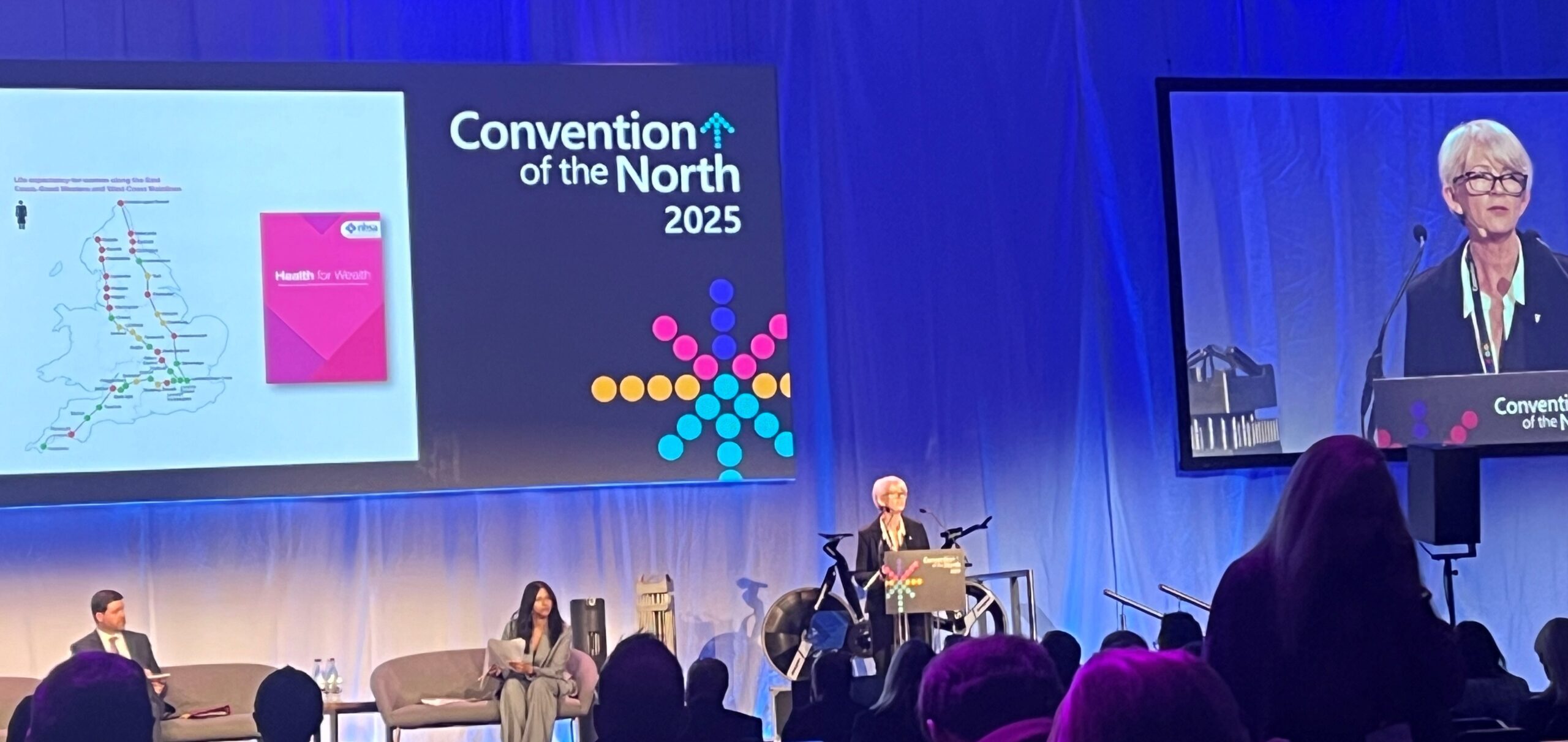
The Northern Health Science Alliance launched its proposal to establish the IPHR in February 2025.
Announced as one of five ‘gamechanger’ policy propositions at the Convention of the North, the IPHR proposal was supported by the steering group of the Convention, including the northern combined authority Metro Mayors.
Our prevention work has been featured extensively across major media outlets, reaching audiences in the millions across the globe.

Policy Impact
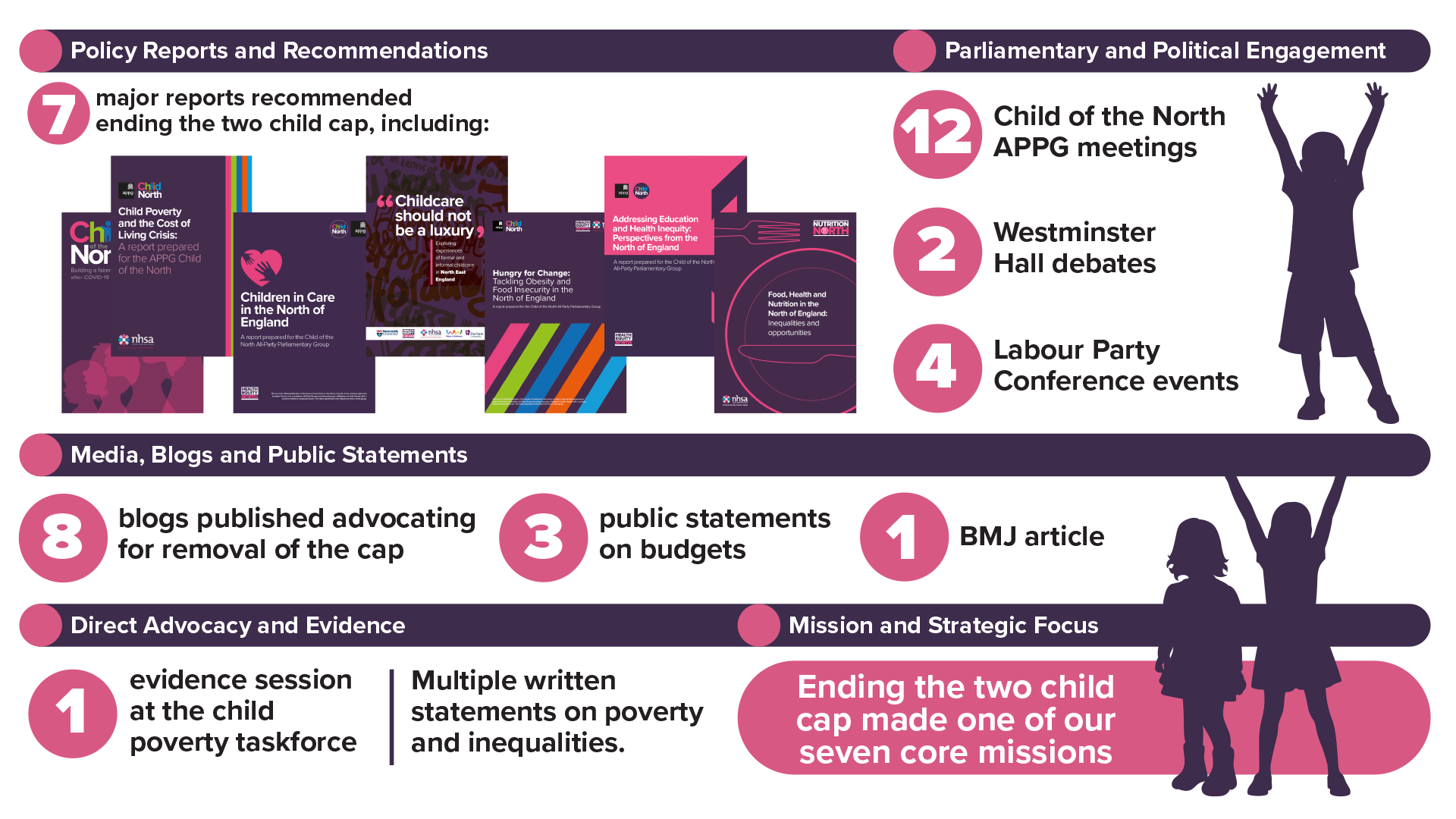
Our work is making an impact where it matters most. We have been cited in Parliament more than 30 times, shaping debates across a wide range of policy areas.
We’ve contributed evidence and insight to government consultations and select committees – helping to inform decisions at the highest levels.
Case study:
The removal of the two-child benefit cap

Research highlights from our members
Read examples of prevention work from our 24 NHS Trust and University alliance members.
Food Policies and Disease Prevention (IMPACT Model)
Research from the University of Liverpool has demonstrated the potential impact of restricting unhealthy food advertising on reducing childhood obesity and improving long-term health outcomes. This work has contributed to national policy discussions around food marketing restrictions. University of Liverpool’s Original Ideas podcast Episode 10: Food discusses this.
Childhood Obesity and Unhealthy Food Advertising Research
Research from the University of Liverpool has demonstrated the potential impact of restricting unhealthy food advertising on reducing childhood obesity and improving long-term health outcomes. This work has contributed to national policy discussions around food marketing restrictions. University of Liverpool’s Original Ideas podcast Episode 10: Food discusses this.
Health Inequalities Policy Research (HIP-R)
This research programme focuses on preventing ill health by addressing the social determinants of health and reducing health inequalities. The team works closely with policymakers and public health organisations to translate evidence into practice.
Civic Health Innovation Labs (CHIL)
CHIL uses health data science and innovative research methods to identify opportunities for earlier intervention and disease prevention across a range of public health challenges, including multimorbidity, mental health and antimicrobial resistance. University of Liverpool’s Original Ideas podcast Episode 13: Antimicrobial Resistance discusses this.
TransPennine Cardiovascular Disease Collaborative
This collaborative initiative brings together researchers across the North of England to improve the detection and prevention of cardiovascular disease, with a particular focus on reducing inequalities and preventing avoidable cardiovascular events.
Lancashire and South Cumbria home falls cut by a third with use of smart lights
The use of AI smart lights in care homes reduces falls by around a third, say Lancaster University researchers who evaluated the use of this technology in care homes in the region. Falls are among the leading causes of emergency admissions from care homes in Lancashire and South Cumbria. The evaluation found that, in homes with the smart lights: the number of falls was reduced; there was a reduction in total ambulance callouts; and ambulance callouts resulting in hospital conveyance was significantly reduced. Read more.
How Mr Motivator is helping cancer patients prepare for treatment
Celebrity Health and Well-being Coach Mr Motivator has filmed videos for the NHS to help cancer patients prepare for surgery through exercising at home. He has now filmed several videos with Lancaster University Medical School where he gives exercise tips to NHS patients to help improve their fitness before undergoing chemotherapy. Read more.
Cancer patients discharged from hospital sooner following preparation for surgery
Cancer patients have a reduced length of hospital stay following a novel approach to improve their fitness for surgery. The approach termed “prehabilitation” includes exercise, nutrition and psychological and social interventions to optimise both physical and mental health before surgery. Researchers found that prehabilitation interventions of between one and four weeks reduced cancer patients’ stay in hospital by 1.8 days compared with standard care. Read more.
Lancaster to lead multi-million pound research initiative to transform mental health support
Lancaster University has been awarded almost £11 million pounds for pioneering mental health research following a major investment by the National Institute for Health and Care Research (NIHR). The new group will move mental health research out of traditional clinical settings and directly into Lancashire and South Cumbria, focusing on locally identified priorities and working alongside residents to develop a more proactive, preventative model of care. Read more.
Pioneering healthcare technology for diabetes as part of NHS 10 year plan
The first sock measuring shear stress aimed at reducing the risk of foot ulcers for patients with diabetes is among several innovations being developed by Lancaster University. The sock contains smart sensors to measure friction and alongside a foot screening app powered by AI is among several innovations currently being developed by Neil Reeves, Professor of Secure Health Technologies at Lancaster Medical School, to improve the lives of patients with diabetes and reduce NHS spending on diabetes complications. Read more.
£1.5M to develop first ever tool to diagnose musculoskeletal conditions in the community
A team led by Dr Jemma Kerns from Lancaster Medical School has been awarded £1.5M by the EPSRC to develop a tool to predict and diagnose bone disorders for the first time.
The novel tool will measure bone chemistry using lasers, providing a safe and effective way to predict and diagnose bone disorders so that they can be treated early, improving long-term outcomes. Read more.
Lancashire NHS Health Check pilot
Redmoor Health worked with Lancashire County Council and four GP practices to test whether NHS Health Check outcomes could be improved be increasing both completed checks and early identification of previously unrecognised risk, through targeted identification, clearer communications and easier booking. Through smarter targeting and supported communications, completions increased 2.6x across 4 GP practices, within existing appointment capacity. Read more about this case study here.

Northern Health Science Alliance reports and research
Our reports have brought together academics and researchers from our alliance to highlight the North’s health issues, making recommendations to all levels of public service.
NHSA reports have shown:
- Worse health outcomes and a persistent North–South divide
- High levels of obesity and food insecurity among children
- Diet-related disease and poor nutrition are major contributors to ill health –
- Higher risk from ‘Deaths of Despair’ (alcohol, drugs, suicide)
- Older people in the North experience more health inequality
- Long Covid disproportionately affects northern communities
Read our report to find out more: https://www.thenhsa.co.uk/our-publications/

Read our full proposal for the Institute
The NHSA, working closely with the Mayor of South Yorkshire, brought together a range of northern health and policy leaders to shape the development of the IPHR.
Prevention Projects

The TransPennine cardiovascular disease collaborative
March 2026
The TransPennine collaborative, convened by the NHSA includes the University of Leeds, University of Liverpool and Newcastle University. Together with eight other UK universities, selected to take part in the consortium, the national group will generate evidence and innovative solutions that deliver improved detection and monitoring of undiagnosed or poorly managed hypertension and high levels of bad cholesterol (hypercholesterolemia). They aim to save thousands of lives and reduce inequalities.

Academy of Medical Sciences Cross Sector Collaboration Hub
January 2026
The NHSA hosts the academy’s cross sector regional collaboration hub for the North of England. As part of this programme we will be supporting researchers, clinicians and industry to develop new collaborations to develop new solutions to the challenge posed by the shift to prevention.
Contact us to find out more
Enquire