

Shaping the future of UK health research: MRC and NHSA host a pan-northern vision
More about our Medical Research Council 2025 Northern Visit
The Northern Health Science Alliance (NHSA) was pleased to once again work with the Medical Research Council (MRC) to host their recent Regional Visit to the North of England, held in Liverpool on 4 and 5 November 2025. These visits play an important part in ensuring that national medical research strategy is informed by the unique strengths and challenges facing regions like ours. The importance of this visit to the northern research community was evident in the packed room, which brought together senior leaders including Pro-Vice-Chancellors, Deans, and Directors from nearly every northern university and NHSA member NHS Trust across the North.
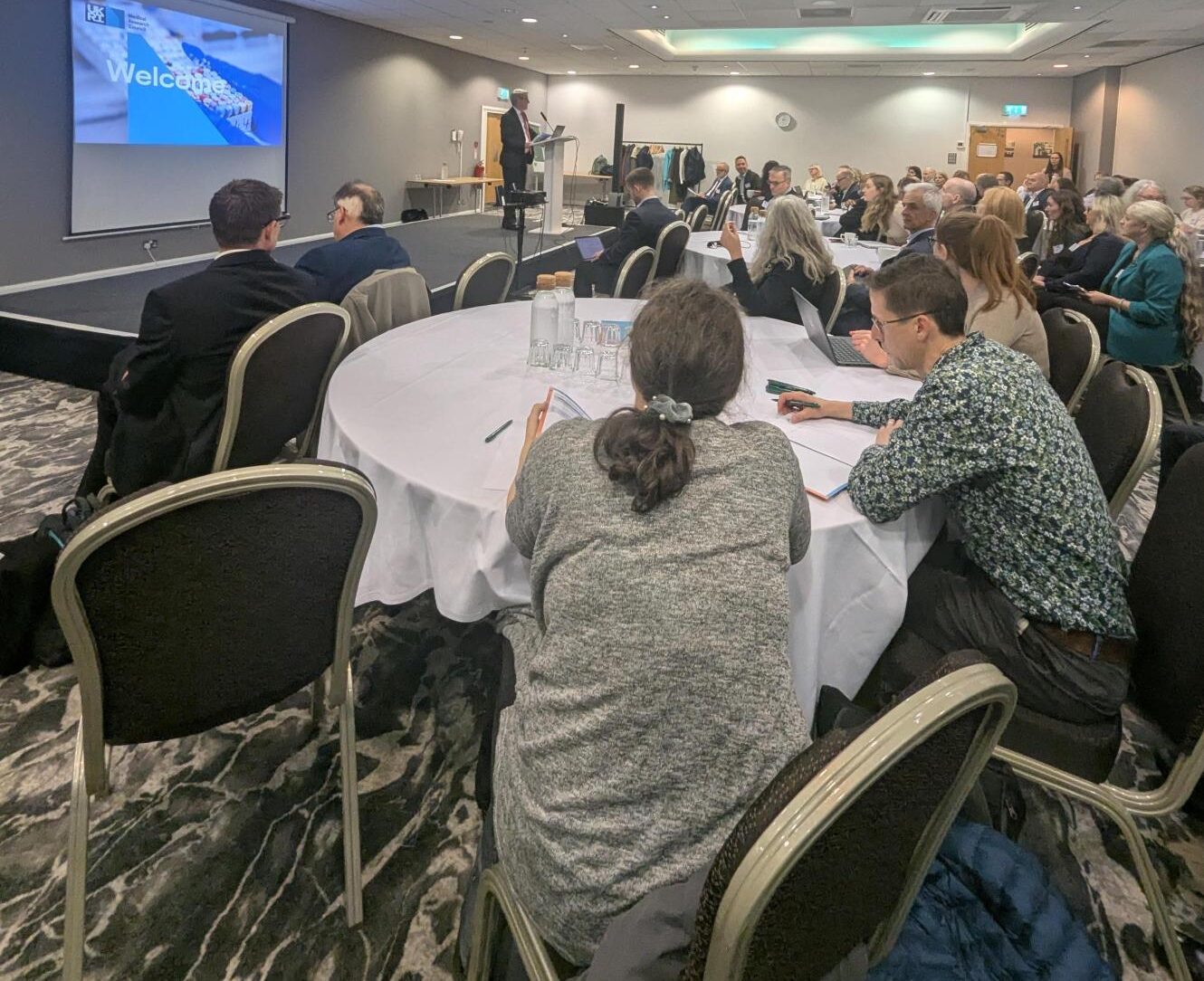 Welcome addresses from Professor Patrick Chinnery (Executive Chair, MRC), Professor Anthony Hollander (Pro-Vice-Chancellor for Research & Impact, University of Liverpool), and Hannah Davies (Chief Executive, NHSA) set the stage for two days of dialogue aimed at understanding and shaping MRC priorities and showcasing the North as a collaborative research community, keen to address historical imbalances in research investment and play a leading role in the UK’s health research agenda.
Day One: Aligning with the National Vision
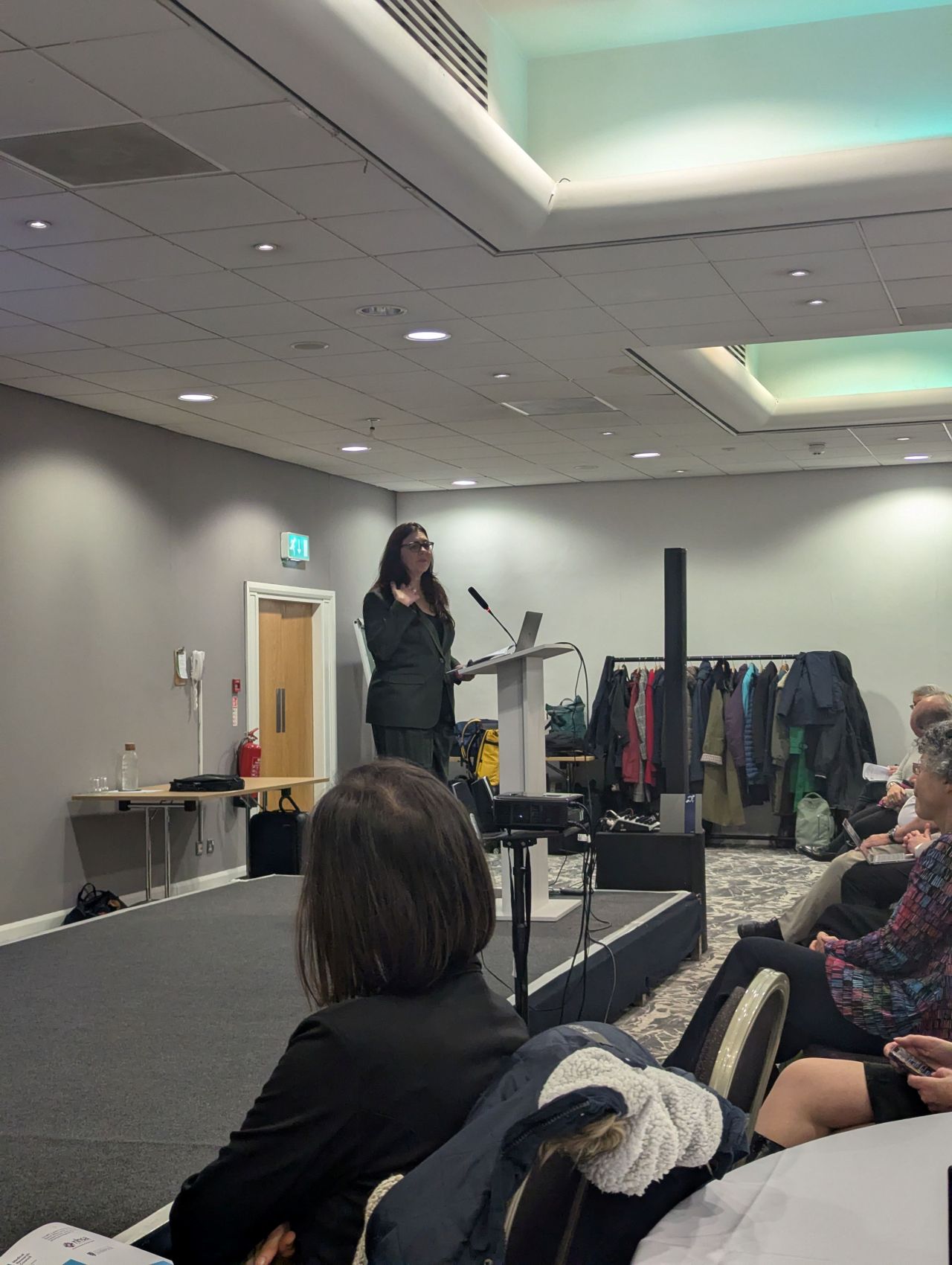 The first day was dedicated to providing the northern research community with direct insight into the MRC’s strategic priorities. Professor Chinnery presented key updates, outlining the national vision for UK medical research and new initiatives designed to simplify the funding landscape, such as combining grant schemes to make applications more flexible. A session lead by Dr Glenn Wells (Deputy Executive Chair, MRC), provided an opportunity to discuss the Council’s emerging strategic directions. The four MRC’s Emerging Areas of Focus discussed were:
- AI and compute in biomedical research
- Medical engineering biology
- A mechanistic basis of a healthy and productive life course from young adulthood to midlife
- Integrated mechanistic understanding of severe mental illness
This workshop provided a critical forum for the North’s research leaders to directly shape the MRC’s national agenda, providing frontline feedback on emerging priorities and ensuring regional strengths were recognised.
The formal sessions of the first day were followed by a drinks’ reception and dinner, providing welcome time for valuable networking opportunities. The event was structured throughout to facilitate an open and sincere dialogue between the MRC and the northern research community.
Day Two: Tackling Critical Challenges
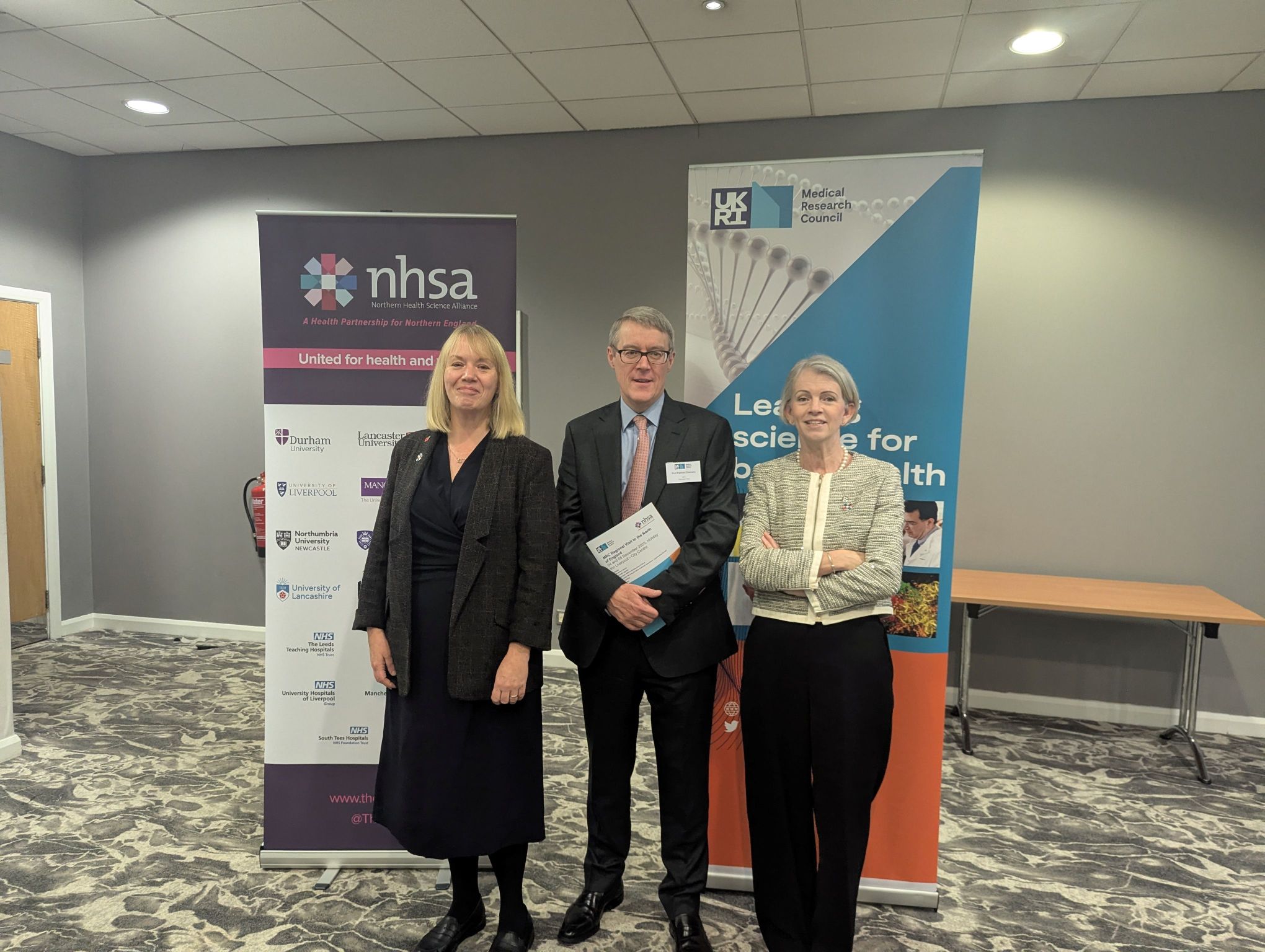 The second day focused on two significant challenges and opportunities in UK health research: developing and retaining clinical researchers and leveraging the importance of preventative health research across the North.
The first session confronted the critical, UK-wide decline in clinical research capacity, a challenge detailed in recent reports commissioned by the Office for the Strategic Co-ordination of Health Research (OSCHR). The MRC’s Director of Research Talent, Skills and Careers, Dr Joanne Robinson, outlined the Council’s refreshed, targeted priorities to reverse this decline. This includes, amongst others, two significant initiatives:
The Regional Accounts for Clinical Researchers (RACR): A £6 million trial initiative designed to provide flexible, local support through regional consortia of universities and NHS trusts. This fund directly addresses vulnerable career stages, such as the post-PhD transition, ensuring talent is retained within the ecosystem.
Enhanced Clinical Future Leader Fellowships: Building on the UKRI model, this provides a seven year tapered award to support clinicians into secure academic posts.
Professor Louise Kenny (Executive Pro Vice Chancellor, Faculty of Health and Life Sciences, University of Liverpool Chair of the NHSA) shared insights on partnership-based approaches, with examples of successful schemes across the North, including the University of Liverpool and University Hospitals of Liverpool Group’s Finn Fellowships, the University of Manchester and University of Manchester Foundation Trust’s CATALYS programme, and the Newcastle Health Research Partnership Academy.
On behalf of the NHSA, I was pleased to present initial findings from a member consultation survey that sought to understand how northern universities and NHS organisations are managing to implement the OSCHR report recommendations. This included identifying the challenges northern organisations are experiencing and examples of successful practices and initiatives that are proving helpful for this implementation. One of the key messages arising from the consultation was the need for increased resource across the North, particularly for pre-application support and for this to extend to non-medically qualified researchers. To support collaboration among northern universities and NHS organisations, there is a call for more comprehensive national guidance (e.g. on pay scales) and the need for more detailed toolkits to assist in implementing OSCHR recommendations. It is also essential that the northern research community and professional groups beyond medically qualified researchers (such as healthcare scientists, pharmacists, and clinical psychologists) receive adequate representation on decision making panels. Ultimately, tackling this challenge can be addressed by funding to support northern universities and NHS organisations to work together to create and scale up solutions that are shaped by regional needs and capitalise on opportunities for shared knowledge and resources. The survey is providing useful data for shaping a northern approach to growing and retaining more clinical academics across the North.
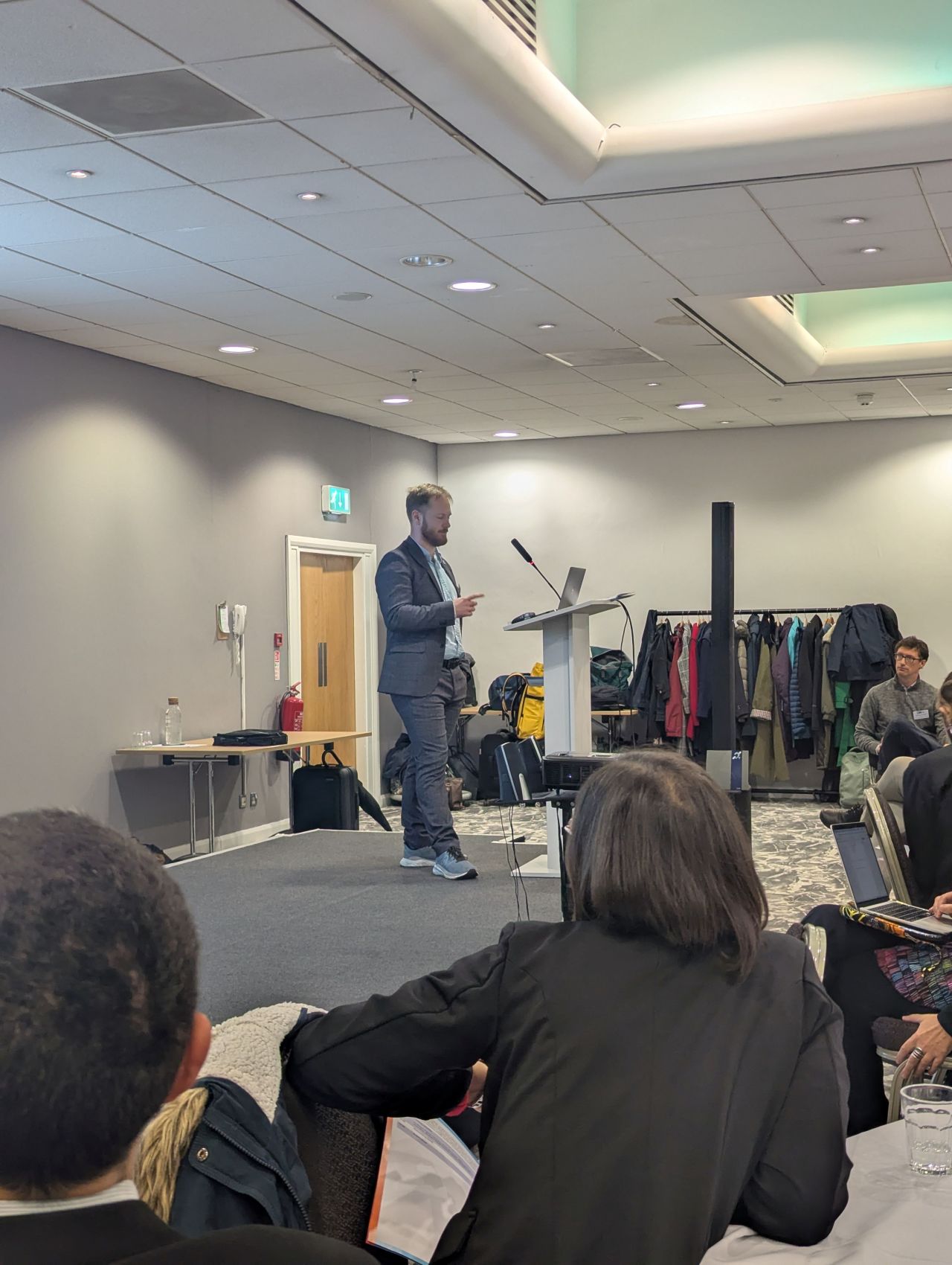 The second session on day two focused on the importance of prevention research for protecting health and reducing long-term pressure on the NHS through the right preventative intervention for the right person or group at the right time. The session was led by Dr Graham Campbell (MRC’s Head of Programme, Population and Systems Medicine Board). During this session, we heard detailed regional insights from experts including Professor Charlotte Clarke from Durham University, Professor Bernard Corfe from Newcastle University, and Professor David Taylor-Robinson from the University of Liverpool. In response to the clear need to build on this world-leading research and transform healthcare through a prevention-led approach, my colleague Dr Ben Martyn, Executive Lead for Investment and International Partnerships, presented northern insights and a NHSA proposal to establish an Institute for Preventative Health Research. This pioneering initiative is envisioned as a virtual collaboration hub, further demonstrating the thriving prevention research landscape in the North and providing a focal point for future strategic investment.
The Power of a Pan-Northern Approach
A powerful theme emerging from the event was that pan-northern collaboration is an important part of the solution to addressing historic regional funding disparities. Evidence shows that while the North produces exceptionally high-quality research, its funding bids have tended to be lower in both volume and value. The MRC’s encouragement of a consortium-based approach is a direct answer to this challenge and the new Regional Accounts for Clinical Researchers (RACR) initiative is a perfect example of this model in action. By empowering regional consortia to deliver flexible support, this approach enables the North to work together at scale, build larger and more competitive funding applications, and ultimately shift the dial on investment coming into the region.
The two-day visit was an unequivocal success, highlighting the deep commitment to collaboration that defines the North’s health research ecosystem. The high level of attendance and deep engagement from our most senior leaders sends a clear signal of the region’s collective appetite to address the greatest health challenges through research. We are grateful to the MRC for their meaningful engagement with the North.
Related Blog Posts
From bench to bedside – and beyond: what we learned from our Academy of Medical Sciences North of England Cross‑Sector Hub launch event
Read the article
NHSA welcomes national spotlight on place-based health data innovation
Read the article